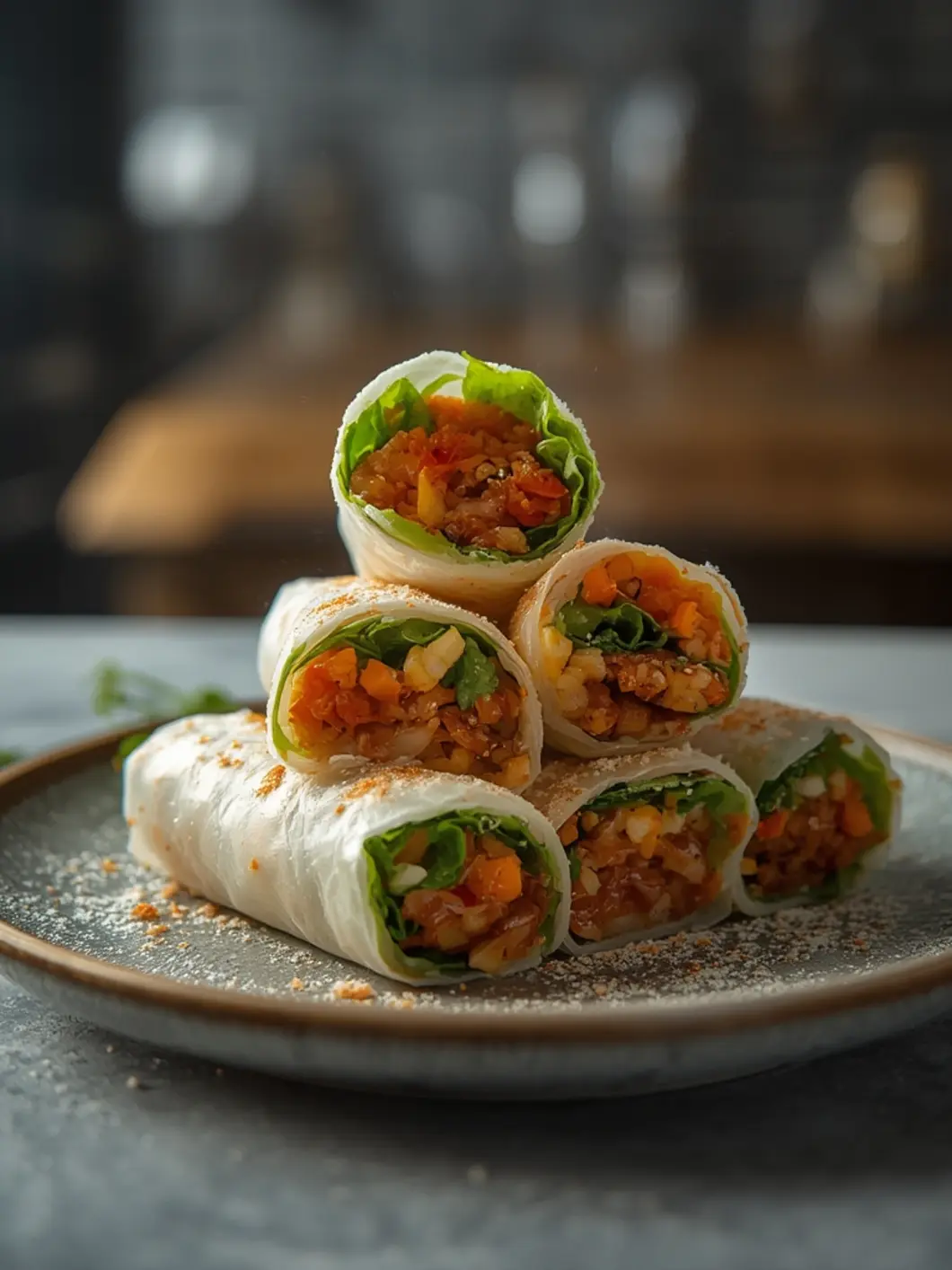
Fresh Spring Rolls are the epitome of light, vibrant, and satisfying vegan cuisine, offering a burst of freshness in every bite. These delightful rolls, often referred to as summer rolls, are a fantastic way to enjoy a wholesome meal or appetizer without any cooking. Packed with crisp vegetables, tender vermicelli noodles, and savory tofu, all snugly wrapped in translucent rice paper, they’re a treat for both the eyes and the palate. They are naturally gluten-free (if using tamari) and a superb option for healthy eating. Perfect for a warm day, a party appetizer, or a light lunch, Fresh Spring Rolls are versatile and incredibly rewarding to make at home.
Table of Contents
There’s a certain magic in assembling Fresh Spring Rolls; it’s almost meditative. As you lay out all the colorful ingredients—the vibrant reds of carrots, the cool greens of lettuce and herbs, the pearly white of noodles—you feel a connection to the fresh produce. One common question home cooks ask is, “How do you keep fresh spring rolls from sticking?” The trick is to work on a clean, slightly damp surface and place finished rolls seam-side down, not touching each other on a serving platter. If storing, wrap each one individually in plastic wrap. This ensures each delicate Fresh Spring Roll remains separate and beautiful, ready to be enjoyed with a delicious dipping sauce.
Why You’ll Love This
- Healthy & Fresh: Loaded with raw vegetables, these Fresh Spring Rolls are incredibly nutritious.
- Customizable: Easily swap ingredients to suit your taste or what’s in your fridge.
- Fun to Make: Assembling spring rolls is a therapeutic and enjoyable activity.
- Perfect for Any Occasion: Great as an appetizer, light lunch, or healthy snack.
💡 Try This Next: To learn new cooking techniques, explore our tips section.
What Makes Fresh Spring Rolls Special

What truly sets Fresh Spring Rolls apart is their incredible balance of textures and flavors, all wrapped up in a healthy, no-cook package. The crispness of fresh vegetables, the chewiness of the vermicelli noodles, the savory notes of seasoned tofu, and the delicate give of the rice paper wrapper create a symphony in your mouth. Many wonder, “What is the best way to roll fresh spring rolls tightly?” The secret lies in not overfilling and getting a good, snug first fold over the ingredients, then tucking in the sides before rolling firmly but gently upwards.
This technique helps ensure your Fresh Spring Rolls hold together beautifully, preventing them from unraveling and making them easier to dip and eat. Plus, their light nature makes them satisfying without being heavy.
Key Ingredients for Fresh Spring Rolls
- Rice Paper Wrappers: The foundational element, look for round, 8.5-inch wrappers.
- Vermicelli Rice Noodles: Add a pleasant chewiness and bulk to the rolls.
- Pressed Tofu: A fantastic plant-based protein, marinated for flavor and texture.
- Fresh Vegetables: Carrots, cucumber, and lettuce provide crunch and vibrant color.
- Fresh Herbs: Mint and cilantro are essential for that authentic, refreshing flavor profile.
- Peanut Butter: The star of the dipping sauce, providing creamy richness.
- Soy Sauce/Tamari: For umami in both the tofu marinade and the dipping sauce.
- Lime Juice & Rice Vinegar: Crucial for the tangy brightness in the dipping sauce.
How to Make Fresh Spring Rolls: Step-by-Step
- Step 1: Prep Fillings:
- Cook noodles, press and season tofu, and julienne all your fresh veggies and herbs. Have everything ready on a platter for easy assembly.
- Step 2: Make the Sauce:
- Whisk together all dipping sauce ingredients, adjusting consistency and taste as needed. This can often be made ahead. Many ask, “Can I make vegan fresh spring rolls ahead of time?” While best fresh, you can prep all fillings and the sauce hours in advance, then assemble just before serving.
- Step 3: Hydrate Wrappers:
- Dip one rice paper wrapper at a time into warm water until pliable, but still slightly firm. Don’t over-soak!
- Step 4: Layer Fillings:
- Place lettuce, noodles, tofu, and veggies on the lower third of the wrapper. Avoid overfilling.
- Step 5: Roll Tightly:
- Fold the bottom edge over the filling, then fold in the sides, and roll upwards firmly. Place seam-side down.
- Step 6: Serve:
- Enjoy immediately with your delicious homemade peanut dipping sauce.
📚 Read More: Master kitchen skills at Buz Kitchen.
Storing Your Fresh Spring Rolls
While Fresh Spring Rolls are undeniably best when enjoyed immediately, you can store them for a short period if necessary. To prevent them from drying out or sticking together, individually wrap each roll in plastic wrap. Then, place the wrapped rolls in an airtight container with a lightly damp paper towel at the bottom. Store them in the refrigerator for up to 1-2 days. If they become a bit firm, a quick spritz of water can sometimes help.
However, the delicate texture of the rice paper and the crispness of the vegetables will degrade over time, so fresh is always the optimal choice. For those asking, “How do you soften rice paper for spring rolls without it tearing?” a crucial part of storage is not over-soaking initially, as excessively soft wrappers are more prone to tearing and will get mushier faster.
Fresh Spring Rolls Variations & Substitutions
The beauty of Fresh Spring Rolls lies in their versatility. Feel free to experiment with different fillings to suit your taste and dietary needs. Instead of tofu, you could use pan-fried tempeh, seasoned mushrooms, or even a plant-based ‘shrimp’ alternative for a different texture. Add more vegetables like red bell pepper strips, avocado slices, or shredded cabbage for extra crunch and nutrients.
For a spicier kick, incorporate thinly sliced jalapeños. You can also vary the herbs—Thai basil works wonderfully. For the dipping sauce, beyond the classic peanut, try a sweet chili lime sauce, a soy-ginger vinaigrette, or a creamy cashew-based dressing. These simple variations ensure your Fresh Spring Rolls never get boring and are always a delightful culinary adventure.
Serving Suggestions for Fresh Spring Rolls
Fresh Spring Rolls are incredibly versatile and can be served in many ways. They make an excellent light lunch or dinner, especially when paired with a hearty side salad or a bowl of pho. For entertaining, arrange them beautifully on a platter with small bowls of various dipping sauces—peanut, sweet chili, and maybe a vibrant cilantro-lime sauce—allowing guests to choose their favorite. They are also perfect as a healthy appetizer before a larger meal, providing a refreshing contrast to richer dishes. For a picnic or potluck, they transport well when individually wrapped, making them a crowd-pleasing, easy-to-eat option. Enjoy the vibrant flavors and fresh textures!

The History of Fresh Spring Rolls
Fresh Spring Rolls, known as Gỏi Cuốn in Vietnamese, have a rich culinary history deeply rooted in Southeast Asian cuisine, particularly Vietnam. While the exact origins are debated, these rolls are believed to have evolved from a tradition of using rice paper (bánh tráng) to wrap various fillings. Originally, spring rolls (both fresh and fried) were seasonal, celebrating the fresh produce available in spring. Over time, the fresh version became a staple, especially popular in Southern Vietnam. Its appeal quickly spread globally due to its light, healthy profile and the delightful interplay of fresh herbs, vegetables, and savory proteins. Today, Fresh Spring Rolls symbolize the balance and freshness inherent in Vietnamese cooking.
Crafting your own Fresh Spring Rolls is a rewarding experience that brings vibrant flavors and fresh ingredients to your table. With our easy-to-follow steps and helpful tips, you’re now equipped to create these delightful vegan treats whenever a craving strikes. Whether you’re serving them as a light meal, a healthy appetizer, or a refreshing snack, these Fresh Spring Rolls are sure to impress. Don’t be afraid to get creative with your fillings and experiment with different dipping sauces. Embrace the freshness and enjoy the journey of making these wholesome and delicious rolls!
Pro Tips
- Don’t Over-soak: Rice paper continues to soften after removing from water. A quick dip is enough.
- Damp Surface: Work on a slightly damp cutting board or plate to prevent the wrapper from sticking.
- Balance Fillings: Don’t overstuff the rolls; a moderate amount allows for tighter, easier rolling. Many wonder, “What are common fillings for vegan fresh spring rolls?” Besides tofu, consider tempeh, mushrooms, bell peppers, avocado, or even fruit like mango for a sweet twist.
- Fresh Herbs are Key: Don’t skip the mint and cilantro; they add an irreplaceable freshness.
💡 Try This Next: For family favorites, try our crowd-pleasers.
FAQs
What sauce goes well with vegan fresh spring rolls?
How long do vegan fresh spring rolls last in the fridge?
Can you freeze fresh spring rolls?
Why are my fresh spring rolls chewy?
What’s the difference between fresh spring rolls and fried spring rolls?

Fresh Spring Rolls (Vegan)
Ingredients
For the Rolls
- 12 sheets round rice paper wrappers 8.5 inches
- 4 oz vermicelli rice noodles
- 1 block extra-firm tofu, pressed and thinly sliced or crumbled 14 oz
- 1 tbsp soy sauce or tamari
- 1 tsp sesame oil
- 1 cup shredded carrots
- 1 cup thinly sliced cucumber julienned
- 1 head green leaf lettuce, washed and torn into pieces
- 1/2 cup fresh mint leaves
- 1/2 cup fresh cilantro sprigs
For the Peanut Dipping Sauce
- 1/2 cup creamy peanut butter
- 2 tbsp soy sauce or tamari
- 1 tbsp rice vinegar
- 1 tbsp maple syrup or agave nectar
- 1 tbsp lime juice
- 1 clove garlic, minced
- 1 tsp grated fresh ginger
- 1/2 tsp sriracha or chili garlic sauce optional, for heat
- 2-4 tbsp warm water to thin
Instructions
- Prepare Tofu and Noodles: If using tofu, press it for at least 30 minutes to remove excess water. Thinly slice or crumble the pressed tofu, then pan-fry or bake until golden and slightly crispy. Toss with soy sauce and sesame oil. Cook vermicelli noodles according to package directions; drain and rinse with cold water to prevent sticking, then set aside.
- Prepare Vegetables and Herbs: Wash and prepare all vegetables and herbs. Shred carrots, julienne cucumber, tear lettuce leaves into manageable pieces, and pick fresh mint and cilantro leaves. Arrange all prepared fillings on a large platter, making it easy to assemble the Fresh Spring Rolls.
- Make the Peanut Dipping Sauce: In a small bowl, whisk together peanut butter, soy sauce, rice vinegar, maple syrup, lime juice, minced garlic, grated ginger, and sriracha (if using). Gradually add warm water, 1 tablespoon at a time, until the sauce reaches your desired dipping consistency. Taste and adjust seasonings as needed.
- Soften Rice Paper Wrappers: Fill a shallow dish or large plate with warm water. Submerge one rice paper wrapper for about 15-20 seconds, or until it’s pliable but still slightly firm. Do not over-soak, as it will become too sticky and difficult to work with. Carefully lay the softened wrapper flat on a clean, damp work surface.
- Assemble the Spring Rolls: Near the bottom edge of the wrapper, place a piece of lettuce, then a small handful of vermicelli noodles, a few slices of tofu, and a small amount of carrots, cucumber, mint, and cilantro. Be careful not to overfill, as this will make rolling difficult.
- Roll the Spring Rolls: Fold the bottom edge of the wrapper tightly over the fillings. Then, fold in the left and right sides of the wrapper towards the center. Finally, tightly roll the wrapper from the bottom upwards to create a neat, cylindrical Fresh Spring Roll. Place the finished roll seam-side down on a serving platter.
- Serve Immediately: Repeat the process with the remaining wrappers and fillings. Serve the Fresh Spring Rolls immediately with the prepared peanut dipping sauce. For best taste and texture, consume shortly after assembly.
Notes
- Don’t Over-soak: Rice paper continues to soften after removing from water. A quick dip is enough.
- Damp Surface: Work on a slightly damp cutting board or plate to prevent the wrapper from sticking.
- Balance Fillings: Don’t overstuff the rolls; a moderate amount allows for tighter, easier rolling. Many wonder, “What are common fillings for vegan fresh spring rolls?” Besides tofu, consider tempeh, mushrooms, bell peppers, avocado, or even fruit like mango for a sweet twist.
- Fresh Herbs are Key: Don’t skip the mint and cilantro; they add an irreplaceable freshness.