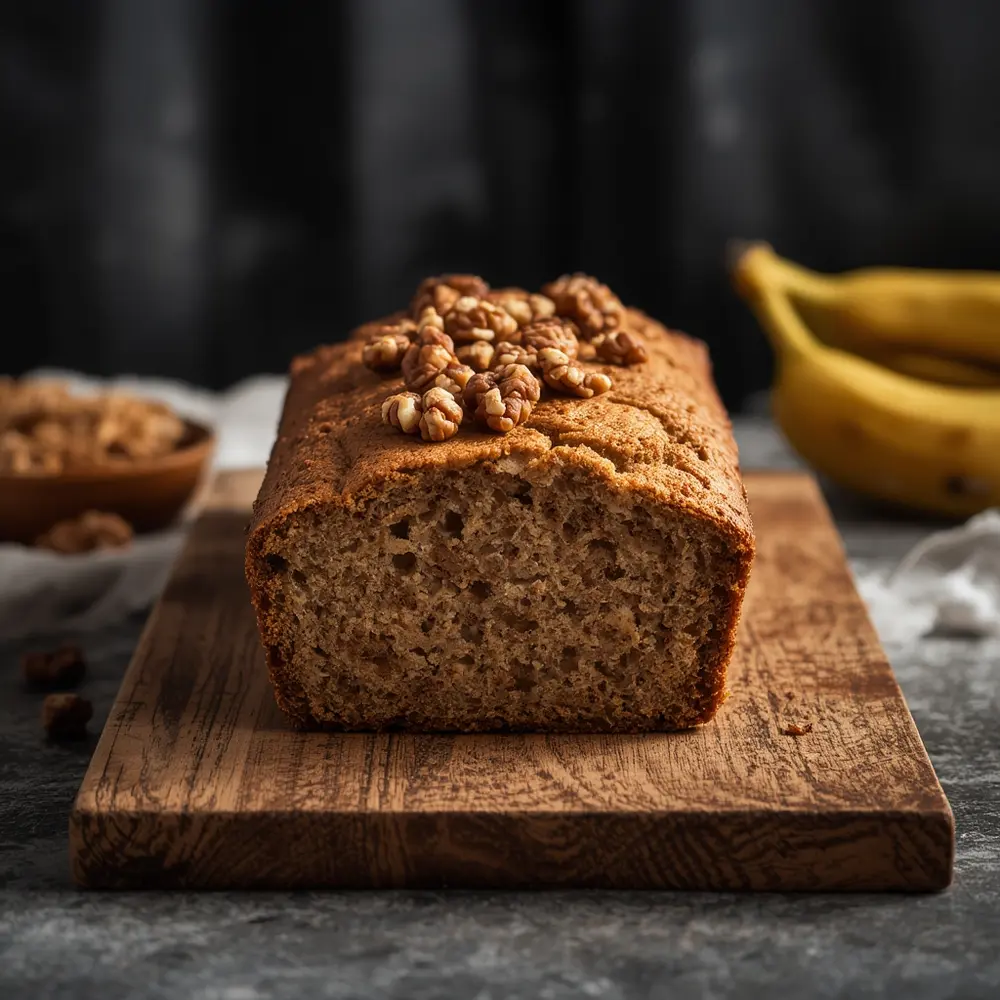

Pizza Dough is the ultimate foundation for any homemade pizza, transforming simple ingredients into a culinary masterpiece right in your kitchen. Imagine biting into a slice with a perfectly crisp crust, a chewy, airy interior, and a rich, subtle flavor—all crafted by your own hands. This comprehensive guide will demystify the entire process, showing you how to achieve consistently excellent results, even if you’re a complete beginner. Whether you’re a seasoned baker or just starting your pizza journey, mastering your own Homemade Pizza Dough is incredibly rewarding and surprisingly simple. Get ready to elevate your pizza nights to a whole new level of deliciousness, creating a customizable base that truly stands out from store-bought alternatives.
Table of Contents
My love affair with perfect Pizza Dough started years ago, fueled by countless disappointing frozen pizzas. I longed for that authentic, pizzeria-style crust—airy, chewy, and with just the right amount of char. My grandmother, an incredible Italian cook, always said the secret to any great dish began with the freshest ingredients and a little patience. Watching her effortlessly knead dough felt like magic. I spent countless weekends experimenting, tweaking ratios, and learning the subtle art of fermentation. Eventually, I cracked the code, realizing that making beautiful Homemade Pizza Dough wasn’t just about following a recipe, but understanding the science behind the rise. Now, it’s a cherished ritual, bringing warmth and incredible aromas to our home.
Why You’ll Love This
- **Perfect Pizza Dough Every Time:** Achieve a consistently delicious, professional-quality crust.
- **Simple & Satisfying:** Uses basic pantry staples and offers an incredibly rewarding baking experience.
- **Customizable Creations:** The ideal base for all your favorite toppings, from classic Margherita to gourmet delights.
💡 Try This Next: For more international dishes, explore our world cuisine category.
What Makes Homemade Pizza Dough Special
What truly sets exceptional Pizza Dough apart is the quality of its simple components and the care taken in its preparation. At its core, the ingredients needed for basic homemade pizza dough are flour, water, yeast, salt, and a touch of olive oil. Each plays a crucial role: flour provides structure, yeast creates the airy texture, salt enhances flavor, water binds everything, and olive oil adds richness and pliability. Unlike store-bought versions often laden with preservatives, homemade dough offers a fresh, clean taste and a superior texture that is both crisp and delightfully chewy. The slow fermentation also develops complex flavors you can’t replicate, ensuring a pizza base that truly shines.

Key Ingredients for Homemade Pizza Dough
- Warm Water (105-115°F): Crucial for activating your yeast. Water that is too hot will kill it, too cold won’t activate it.
- Active Dry Yeast: The leavening agent that gives your dough its rise and airy texture. Ensure it’s fresh.
- Granulated Sugar: Feeds the yeast, helping it activate and giving the dough a subtle sweetness and better browning.
- All-Purpose Flour: A versatile choice that creates a good balance of chewiness and crispness. For a more authentic Italian crust, consider “00” flour, or use bread flour for extra chew.
- Olive Oil: Adds richness, flavor, and helps keep the dough pliable and easy to work with. It also aids in browning.
- Salt: Essential for flavor, strengthening the gluten, and regulating yeast activity. Don’t skip it!
How to Make Homemade Pizza Dough: Step-by-Step
- Step 1: Activate the Yeast.
- In a large bowl, combine the warm water (105-115°F) and granulated sugar. Sprinkle the active dry yeast over the top. Let it sit for 5-10 minutes until it becomes foamy, indicating the yeast is active. If it doesn’t foam, your yeast may be old or the water temperature was off.
- Step 2: Combine Wet and Dry.
- Stir in the olive oil and salt into the yeast mixture. Gradually add 3 cups of flour, mixing with a wooden spoon or your hands until a shaggy dough forms. Add the remaining flour, 1/4 cup at a time, until the dough comes together and is no longer overly sticky. You might not use all 4 cups.
- Step 3: Knead the Dough.
- Turn the dough out onto a lightly floured surface. Knead the dough for 8-10 minutes by hand, or 5-7 minutes using a stand mixer with a dough hook on medium-low speed. The dough should become smooth, elastic, and pass the “windowpane test” – you should be able to stretch a small piece thin enough to see light through it without tearing.
- Step 4: First Rise.
- Lightly grease a large bowl with olive oil. Place the kneaded dough in the bowl, turning it once to coat. Cover the bowl tightly with plastic wrap or a damp kitchen towel. Let the dough rise in a warm, draft-free place for 60-90 minutes, or until it has doubled in size. This is a crucial step for airy Pizza Dough.
- Step 5: Punch Down & Portion.
- Gently punch down the risen dough to release the air. Divide the dough into two equal portions if making two medium pizzas, or one larger portion for a single big pizza. Form each portion into a smooth ball. You’re now ready to shape your Homemade Pizza Dough!
📚 Read More: For more cooking inspiration, visit Buz Kitchen.
Storing Your Homemade Pizza Dough
Once your Homemade Pizza Dough is made, you have excellent storage options. For short-term storage, after the first rise, tightly wrap individual dough balls in plastic wrap, then place them in an airtight container in the refrigerator for up to 3 days. This cold fermentation actually enhances flavor. Remember to remove the dough from the fridge 1-2 hours before use, allowing it to come to room temperature for easier shaping. For longer storage, Pizza Dough freezes beautifully. Lightly coat dough balls with olive oil, wrap individually in plastic, then place in a freezer-safe bag for up to 3 months. Thaw frozen dough in the refrigerator overnight, then bring to room temperature before shaping.
Homemade Pizza Dough Variations & Substitutions
The beauty of Homemade Pizza Dough lies in its versatility. You can easily experiment beyond the basic recipe. For a whole wheat option, substitute up to half of the all-purpose flour, creating a denser, nuttier crust. For a richer flavor, add a tablespoon of honey or malt syrup to the water and yeast. If you’re looking for extra crispiness, key tips include using a very hot oven, ideally with a preheated pizza stone or steel, and avoiding overloaded toppings. Brushing the edges with olive oil before baking can also help achieve a golden, crisp crust. You can infuse your Pizza Dough with dried oregano, basil, or garlic powder for an aromatic twist, elevating the flavor profile of your final pizza.
Serving Suggestions for Homemade Pizza Dough
The possibilities for serving your Homemade Pizza Dough are virtually endless. Of course, the classic use is for incredible pizzas: think traditional Margherita with fresh mozzarella and basil, a vibrant veggie supreme, or a hearty meat lover’s creation. But don’t stop there! This versatile dough can also be transformed into delicious calzones, bursting with ricotta and your favorite fillings, or baked into savory stromboli, rolled up with deli meats and cheese. For a lighter bite, consider making garlic knots or small focaccia bread, topped with rosemary and coarse sea salt. You can even create sweet dessert pizzas, spread with Nutella and fresh fruit, proving the incredible versatility of your Homemade Pizza Dough.

The History of Pizza Dough
The story of Pizza Dough is a fascinating journey through culinary history, tracing its roots back to ancient civilizations. Flatbreads, the earliest ancestors of pizza, have been a staple for millennia across Egypt, Greece, and Rome, often topped with olive oil and herbs. The modern concept of pizza, and its characteristic dough, truly began to take shape in Naples, Italy, in the 18th century. Neapolitan street vendors sold simple flatbreads with various toppings. The introduction of tomatoes from the Americas eventually led to the birth of the iconic Margherita pizza in 1889. From these humble beginnings, the art of crafting the perfect Pizza Dough has evolved into a beloved global culinary tradition.
Now that you’ve unlocked the secrets to crafting perfect Homemade Pizza Dough, a world of delicious possibilities awaits. Say goodbye to mediocre store-bought crusts and embrace the joy of creating something truly special from scratch. This recipe is more than just instructions; it’s a foundation for countless memorable meals and a skill that will impress your family and friends. Experiment with different flours, try unique toppings, and make this Pizza Dough recipe your own. Share your creations and the happiness they bring! There’s an unparalleled satisfaction in pulling a freshly baked pizza, with a golden, bubbly crust, right from your own oven. Happy baking!
Pro Tips
- **Don’t Rush the Rise:** Patience is key! Allow your dough to double in size. If your kitchen is cold, find a warmer spot (like an oven with just the light on) to help it along.
- **Avoid Too Much Flour:** Resist the urge to add excessive flour during kneading or shaping, as this can lead to a dry, tough crust. A lightly floured surface is sufficient.
- **Cold Fermentation:** For a more flavorful crust, once the dough has had its first rise, you can refrigerate it in an airtight container for 24-72 hours. Bring it to room temperature before shaping.
💡 Try This Next: For more tasty ideas, browse our recipe archives.
FAQs
Why is my homemade pizza dough not rising?
What is the best type of flour for pizza dough?
How long should I knead pizza dough?
Can I make pizza dough ahead of time?
Why does my pizza crust come out tough or dense?

Homemade Pizza Dough
Ingredients
Main Ingredients
- 1 1/2 cups warm water 105-115°F
- 2 1/4 teaspoons active dry yeast
- 1 teaspoon granulated sugar
- 3 1/2 to 4 cups all-purpose flour, plus more for dusting
- 2 tablespoons olive oil, plus more for bowl
- 2 teaspoons salt
Instructions
- Activate the Yeast: In a large bowl, combine the warm water and granulated sugar. Sprinkle the active dry yeast over the top. Let it sit for 5-10 minutes until it becomes foamy, indicating the yeast is active. If it doesn’t foam, your yeast may be old or the water temperature was off.
- Combine Wet and Dry: Stir in the olive oil and salt into the yeast mixture. Gradually add 3 cups of flour, mixing with a wooden spoon or your hands until a shaggy dough forms. Add the remaining flour, 1/4 cup at a time, until the dough comes together and is no longer overly sticky. You might not use all 4 cups.
- Knead the Dough: Turn the dough out onto a lightly floured surface. Knead the dough for 8-10 minutes by hand, or 5-7 minutes using a stand mixer with a dough hook on medium-low speed. The dough should become smooth, elastic, and pass the “windowpane test” – you should be able to stretch a small piece thin enough to see light through it without tearing.
- First Rise: Lightly grease a large bowl with olive oil. Place the kneaded dough in the bowl, turning it once to coat. Cover the bowl tightly with plastic wrap or a damp kitchen towel. Let the dough rise in a warm, draft-free place for 60-90 minutes, or until it has doubled in size. This is a crucial step for airy Pizza Dough.
- Punch Down & Portion: Gently punch down the risen dough to release the air. Divide the dough into two equal portions if making two medium pizzas, or one larger portion for a single big pizza. Form each portion into a smooth ball. You’re now ready to shape your Homemade Pizza Dough!
Notes
- **Don’t Rush the Rise:** Patience is key! Allow your dough to double in size. If your kitchen is cold, find a warmer spot (like an oven with just the light on) to help it along.
- **Avoid Too Much Flour:** Resist the urge to add excessive flour during kneading or shaping, as this can lead to a dry, tough crust. A lightly floured surface is sufficient.
- **Cold Fermentation:** For a more flavorful crust, once the dough has had its first rise, you can refrigerate it in an airtight container for 24-72 hours. Bring it to room temperature before shaping.