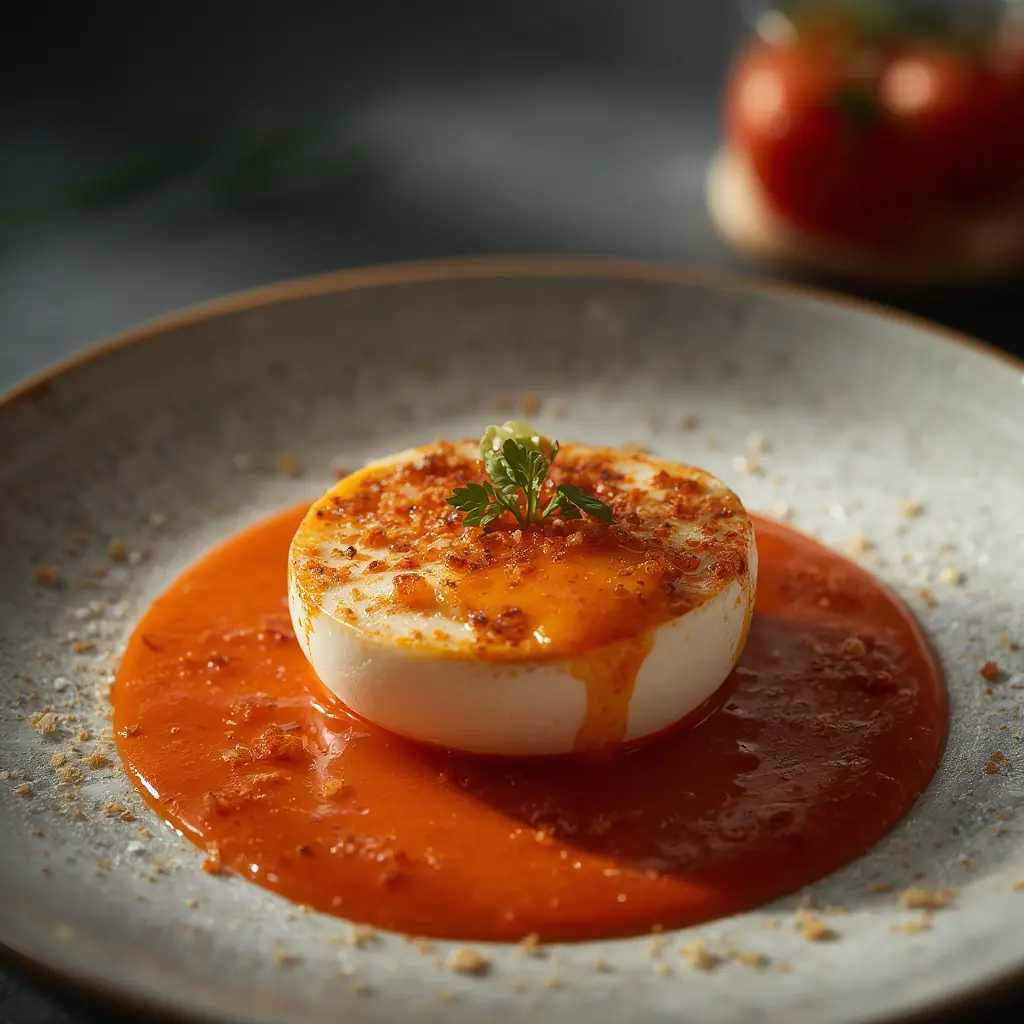
Spicy Gochujang Eggs are a vibrant and incredibly flavorful dish that brings the bold, savory, and spicy essence of Korean cuisine straight to your breakfast or dinner table. This recipe transforms humble eggs into an exciting culinary experience, coated in a rich sauce centered around gochujang, the beloved Korean chili paste. Forget bland eggs; this dish offers a delightful kick and a symphony of tastes that will awaken your palate. Whether you’re a seasoned fan of Korean flavors or new to gochujang, these eggs are surprisingly simple to prepare and promise a quick, satisfying meal.
Table of Contents
There’s something inherently comforting about eggs, yet sometimes they need a little awakening. My journey with Spicy Gochujang Eggs began during a quest for quick, impactful meals. I was inspired by the simplicity of classic Korean street food and the powerful flavor of gochujang. Experimenting with ratios of the chili paste, soy sauce, and a touch of sweetness, I landed on a sauce that perfectly coats and complements a perfectly cooked egg. This dish quickly became a staple in my kitchen, proving that a few pantry ingredients can create something truly extraordinary. It’s a testament to how traditional ingredients can be adapted for modern, busy lifestyles while still delivering authentic taste.
Why You’ll Love This
- Quick & Easy: Whip up Spicy Gochujang Eggs in under 20 minutes, perfect for any meal.
- Flavor Explosion: A unique blend of spicy, sweet, and savory makes these eggs irresistible.
- Versatile: Enjoy with various egg preparations and alongside rice, noodles, or toast.
💡 Try This Next: For helpful kitchen tips, head to our cooking guide.
What Makes Spicy Gochujang Eggs Special
The star of Spicy Gochujang Eggs is, of course, the gochujang itself. What exactly is gochujang and why is it so good with eggs? It’s a fermented Korean chili paste known for its complex flavor profile: spicy, slightly sweet, and deeply savory with umami notes. When combined with other balanced ingredients like soy sauce, sesame oil, and a touch of sweetness, it creates a rich, glossy sauce that clings beautifully to the eggs. This unique paste elevates ordinary eggs into a dish that’s both comforting and exotic, offering a flavor depth that Western hot sauces often lack. The balance of spice and sweetness ensures that while there’s a kick, it’s never overpowering, making it an incredibly satisfying experience.
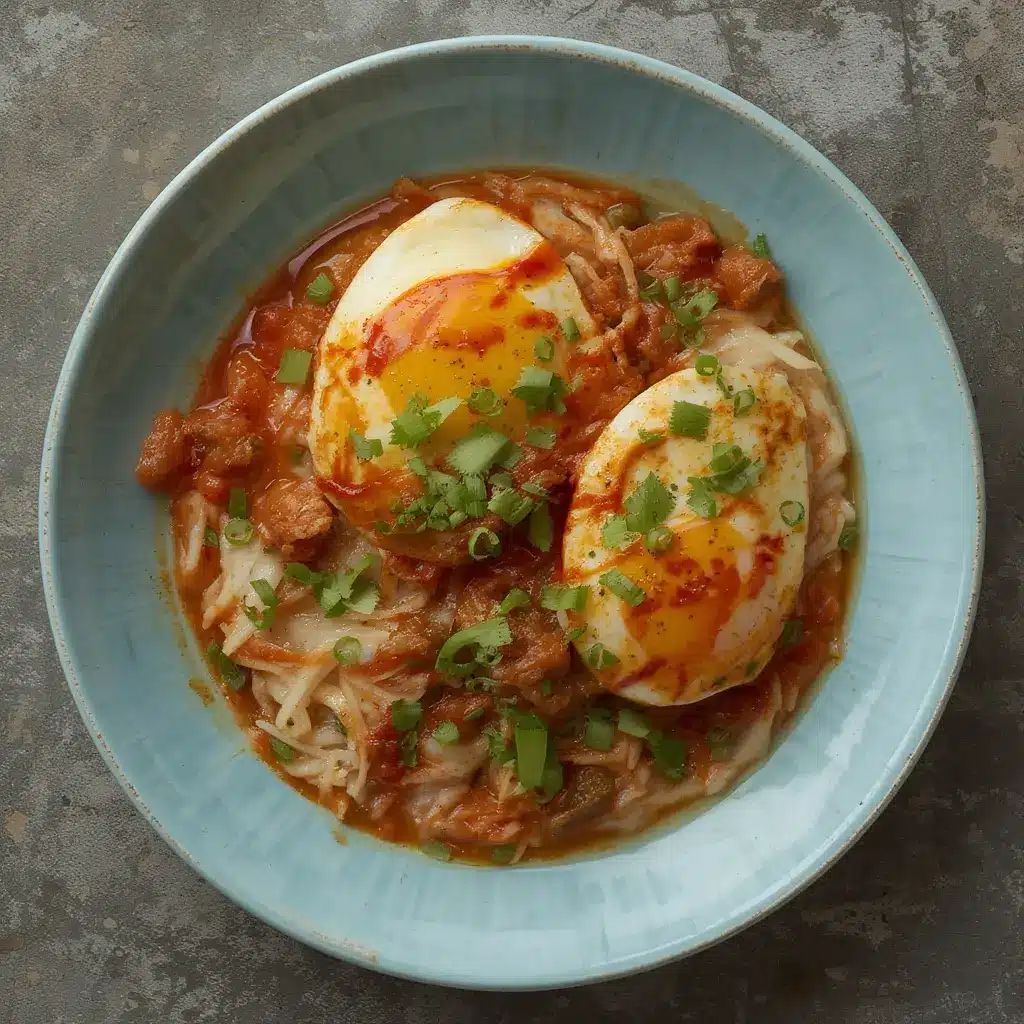
Key Ingredients for Spicy Gochujang Eggs
- Eggs: Fresh large eggs are best. You can soft-boil, pan-fry, or even scramble them.
- Gochujang: The cornerstone of the sauce. Choose a quality brand for the best flavor.
- Soy Sauce: Adds umami and saltiness. Use low-sodium for better control or tamari for a gluten-free option.
- Rice Vinegar: Provides a touch of acidity to balance the richness and sweetness.
- Honey or Maple Syrup: Essential for balancing the heat of the gochujang. Adjust to your preference.
- Sesame Oil: Contributes a nutty aroma and a smooth finish to the sauce.
- Garlic: Freshly minced garlic adds an aromatic depth that is crucial for Korean flavors.
- Green Onions & Sesame Seeds: For garnish, adding freshness, crunch, and visual appeal.
How to Make Spicy Gochujang Eggs: Step-by-Step
- Step 1: Choose Your Eggs
- Decide how you like your eggs. For soft-boiled, cook for 6-7 minutes then ice bath. For fried, cook sunny-side up until whites are set and yolks are runny. Alternatively, you can poach or even scramble them.
- Step 2: Whisk the Sauce
- In a small bowl, combine gochujang, soy sauce, rice vinegar, honey or maple syrup, sesame oil, minced garlic, and water. Whisk vigorously until you have a smooth, well-blended sauce. This step answers the question, how do I prevent the gochujang sauce from clumping? Ensuring all liquids are incorporated slowly and whisking well prevents clumping.
- Step 3: Taste and Adjust
- Give the sauce a taste. Does it need more sweetness to cut the spice, or more tang? Can I adjust the spice level of Gochujang eggs? Absolutely! Add a little more honey for sweetness, or a touch more gochujang for extra heat.
- Step 4: Plate Your Eggs
- Carefully place your cooked eggs on a serving plate. If soft-boiled, you might want to halve them for better sauce absorption and presentation.
- Step 5: Drizzle and Garnish
- Generously drizzle the spicy gochujang sauce over the eggs. Finish with a sprinkle of sliced green onions and sesame seeds.
- Step 6: Serve Immediately
- Enjoy your delicious Spicy Gochujang Eggs warm, perhaps over a bed of rice for a complete meal.
📚 Read More: Discover advanced techniques at Buz Kitchen.
Storing Your Spicy Gochujang Eggs
When it comes to storing your delicious Spicy Gochujang Eggs, freshness is key, especially for the eggs themselves. While best enjoyed immediately, any leftovers can be stored in an airtight container in the refrigerator for up to 2-3 days. Note that the texture of soft-boiled or fried yolks might change slightly upon refrigeration and reheating. If you anticipate having leftovers, consider preparing the sauce separately and storing it in a jar for up to a week. Then, simply cook fresh eggs and drizzle the sauce just before serving. This ensures the best quality and flavor for your subsequent meals. Reheating can be done gently in a microwave or a pan over low heat.
Spicy Gochujang Eggs Variations & Substitutions
The beauty of Spicy Gochujang Eggs lies in their adaptability. While the core gochujang sauce remains, you can easily experiment with variations. For instance, instead of soft-boiled or fried, try scrambling your eggs and mixing the sauce in at the end. Add sautéed vegetables like spinach, mushrooms, or zucchini to the dish for added nutrients and texture. For a richer flavor, a tiny dash of fish sauce can be added to the gochujang sauce.
If you don’t have rice vinegar, apple cider vinegar can be a decent substitute in a pinch. For a less spicy version, reduce the gochujang and increase the honey or maple syrup. If you are out of gochujang, a mix of sriracha, miso paste, and a touch of brown sugar can offer a similar spicy-savory profile, though it won’t be quite the same authentic taste.
Serving Suggestions for Spicy Gochujang Eggs
So, what can I serve with Spicy Gochujang Eggs to make a complete meal? These versatile eggs pair wonderfully with a variety of accompaniments. The most classic pairing is a bowl of warm, fluffy white rice, which soaks up the savory-spicy sauce beautifully and provides a comforting base. For a healthier option, serve them with brown rice or quinoa. They also make an excellent addition to ramen or noodle bowls, adding a rich depth of flavor.
For a simple breakfast, enjoy them on a slice of toasted sourdough or with a side of kimchi. You can also turn it into a more substantial meal by serving alongside other Korean banchan (side dishes) like pickled radishes or stir-fried greens. A sprinkle of fresh cilantro can also add a bright finish.
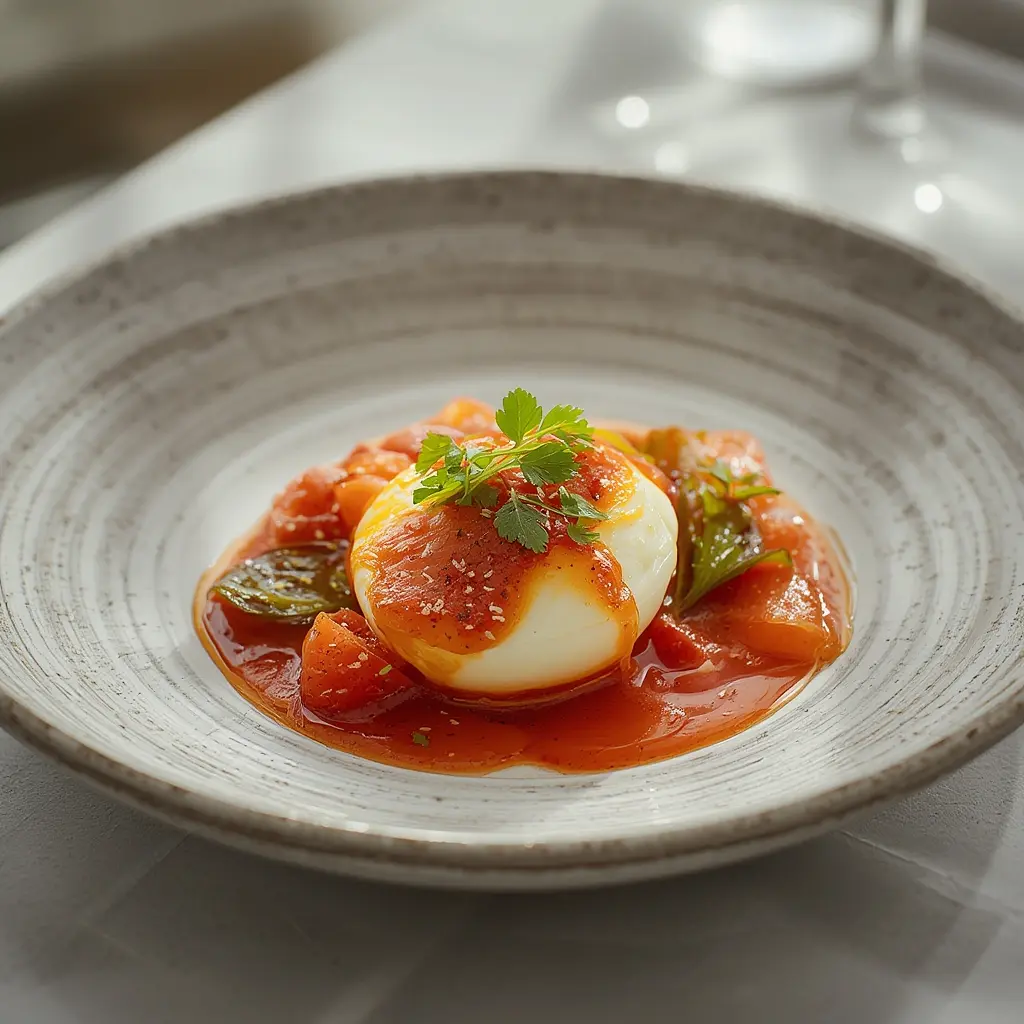
The History of Spicy Gochujang Eggs
While Spicy Gochujang Eggs as a specific named dish might be a modern invention, it draws deeply from the rich traditions of Korean cuisine and its staple ingredient: gochujang. Gochujang has a history spanning centuries in Korea, a fundamental ferment used in countless dishes, from stews like kimchi jjigae to marinades and dipping sauces. The concept of serving eggs, a universally loved protein, with flavorful sauces is also ancient. This particular combination likely evolved from home cooks looking for quick, satisfying meals using readily available ingredients and the bold flavors of their pantry. It embodies the Korean spirit of creating incredibly delicious dishes from simple components, showcasing the versatility and power of gochujang.
Spicy Gochujang Eggs offer an exciting and accessible way to experience the vibrant flavors of Korean cooking right in your own kitchen. This dish proves that simple ingredients, when paired with a powerful flavor like gochujang, can create a truly unforgettable meal. Whether you’re looking for a quick breakfast with a kick, a flavorful lunch, or an easy dinner, these eggs are sure to satisfy. Experiment with different egg preparations and serving suggestions to make this recipe truly your own. Don’t hesitate to dive into this spicy, savory, and slightly sweet delight!
Pro Tips
- For extra runny yolks, cook soft-boiled eggs for just 5-6 minutes.
- Always use an ice bath for soft-boiled eggs; it stops cooking and makes peeling easier.
- Don’t be afraid to adjust the sauce to your personal preference for spice and sweetness.
💡 Try This Next: Check out our quick dinner ideas here.
FAQs
Can I make Spicy Gochujang Eggs vegan or dairy-free?
How long can I store leftover Spicy Gochujang Eggs?
What’s the best way to get perfect soft-boiled eggs for this dish?
Where can I buy gochujang and what should I look for?
Are there any common mistakes to avoid when making Spicy Gochujang Eggs?

Spicy Gochujang Eggs
Ingredients
Main Ingredients
- 4 large eggs
- 1 tbsp neutral oil like canola or vegetable oil
Gochujang Sauce
- 2 tbsp gochujang Korean chili paste
- 1 tbsp soy sauce low-sodium or tamari for gluten-free
- 1 tbsp rice vinegar
- 1 tbsp honey or maple syrup
- 1 tsp sesame oil
- 1-2 cloves garlic, minced
- 2 tbsp water
Garnish
- 1 green onion, thinly sliced
- 1 tsp sesame seeds
Instructions
- Prepare Eggs: For soft-boiled eggs: Bring a pot of water to a rolling boil. Gently lower eggs into the boiling water and cook for 6-7 minutes for a jammy yolk. Immediately transfer to an ice bath for 2 minutes, then peel carefully. For fried eggs: Heat neutral oil in a non-stick pan over medium heat. Crack eggs into the pan and cook until whites are set and yolks are runny (about 2-3 minutes), or to your desired doneness.
- Make Gochujang Sauce: While the eggs are cooking, prepare the sauce. In a small bowl, whisk together the gochujang, soy sauce, rice vinegar, honey or maple syrup, sesame oil, minced garlic, and water until the mixture is smooth and well combined. Taste the sauce and adjust the sweetness or spice level if desired.
- Assemble and Serve: Arrange the prepared eggs on a serving plate or over a bed of steamed rice. Drizzle the vibrant gochujang sauce generously over the eggs. Garnish with thinly sliced green onions and a sprinkle of sesame seeds. Serve immediately and enjoy your flavorful Spicy Gochujang Eggs!
Notes
- For extra runny yolks, cook soft-boiled eggs for just 5-6 minutes.
- Always use an ice bath for soft-boiled eggs; it stops cooking and makes peeling easier.
- Don’t be afraid to adjust the sauce to your personal preference for spice and sweetness.