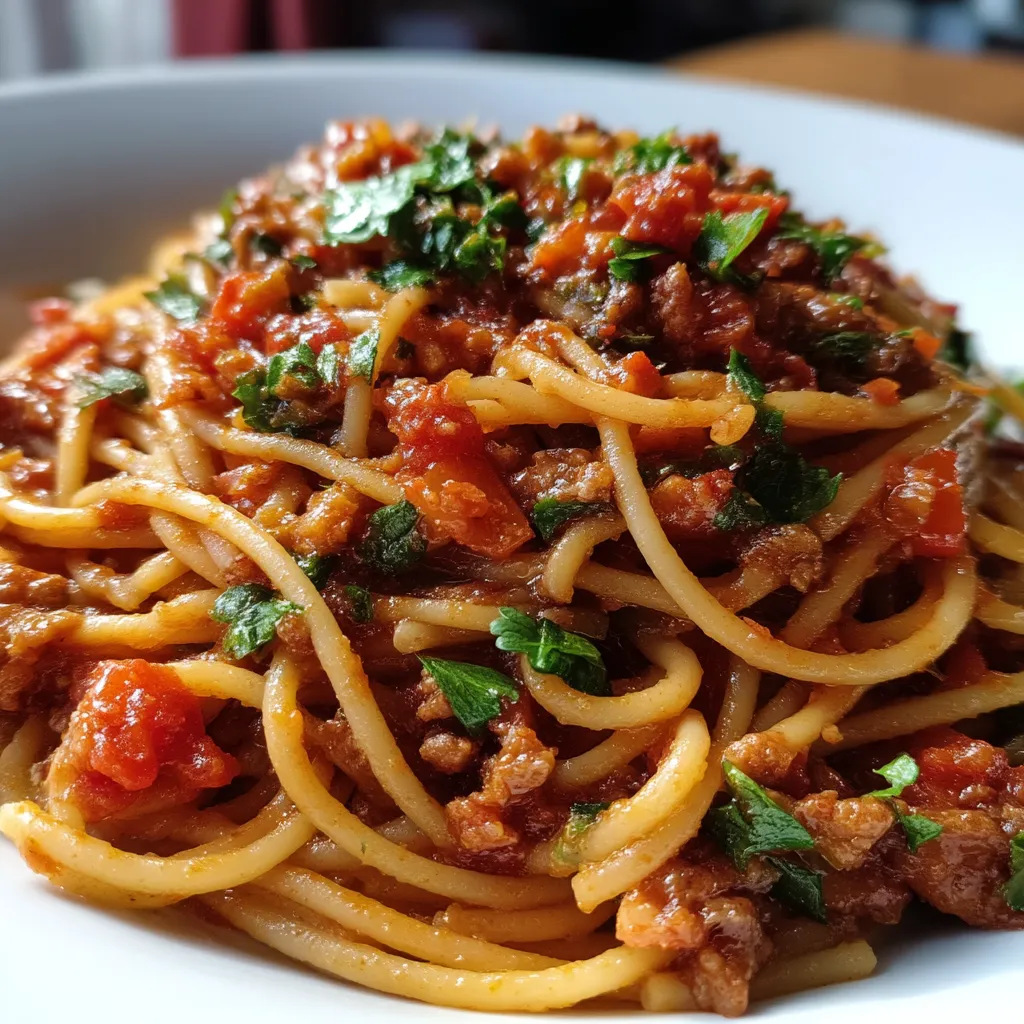
Discover the ultimate weeknight hero: the Best Slow Cooker Spaghetti Sauce. This recipe promises a rich, deeply flavored, and effortlessly delicious meal that will have everyone asking for seconds. Imagine coming home to the aroma of a classic Italian-American sauce, slow-simmered to perfection without constant stirring.
This Slow Cooker Spaghetti Sauce isn’t just about convenience; it’s about achieving that authentic, long-cooked flavor that usually requires hours over a stovetop. We’ll guide you through simple steps to make a hearty sauce that’s perfect for pasta, lasagna, or even a comforting meatball sub. Forget watery, bland sauces; this recipe focuses on building layers of robust taste. We’re here to help you nail this family favorite every single time, ensuring it becomes a staple in your culinary repertoire.
Table of Contents
My grandma always said the best spaghetti sauce takes time, but she never imagined the magic of a slow cooker. This recipe truly brings that slow-simmered, traditional taste to life with minimal effort. I remember trying to make my first homemade sauce on the stovetop and constantly worrying if it was simmering correctly or if I was stirring enough. The slow cooker changed all that, allowing me to enjoy time with family while dinner cooked itself. It’s a game-changer, especially on busy weeknights.
A common question that comes up is, “Can you put raw meat in slow cooker spaghetti sauce?” While some recipes might call for it, I highly recommend browning your ground beef or Italian sausage first. This crucial step adds a significant depth of flavor and better texture to your Slow Cooker Spaghetti Sauce, preventing it from being just boiled meat in sauce. Trust me, that extra 10 minutes makes all the difference.
Why You’ll Love This
- Effortless preparation for a rich Slow Cooker Spaghetti Sauce
- Deep, slow-simmered flavors that taste authentic
- Perfect for meal prepping and freezing for later
- Customizable with your favorite meats or vegetables
- A comforting and satisfying meal for the whole family
💡 Try This Next: Check out related recipes at yumytasty.com.
What Makes Slow Cooker Spaghetti Sauce Special
The beauty of a Slow Cooker Spaghetti Sauce lies in its ability to meld flavors over several hours, creating a depth and richness that quick sauces simply can’t achieve. The low and slow cooking process tenderizes the meat, softens the vegetables, and allows the herbs and spices to fully infuse the tomato base.
This method is incredibly forgiving, making it perfect for both novice and experienced cooks. One of the biggest concerns people have is, “How do you make slow cooker spaghetti sauce not watery?” The key is using quality canned tomatoes (crushed and paste for body) and ensuring you drain any fat from your browned meat. Also, be mindful of adding too much extra liquid. A good broth or red wine adds flavor without excessive thinness. If your sauce still seems a bit thin towards the end, simply remove the lid for the last hour of cooking to allow some moisture to evaporate and the sauce to naturally thicken.
Key Ingredients for Slow Cooker Spaghetti Sauce
- Ground Beef or Italian Sausage: The foundation of a hearty sauce. Browning it first is non-negotiable for flavor.
- Crushed Tomatoes & Diced Tomatoes: A combination provides both a smooth base and textural interest. Opt for good quality brands like San Marzano.
- Tomato Paste: Essential for deep, concentrated tomato flavor and added thickness.
- Onion & Garlic: Aromatic powerhouses that form the flavor base. Sautéing them beforehand brings out their sweetness.
- Beef Broth or Red Wine: Adds complexity and richness to the sauce.
- Dried Herbs (Oregano, Basil, Bay Leaf): Classic Italian flavors that become more potent during slow cooking.
- Sugar: Balances the acidity of the tomatoes, making the sauce smoother and more palatable.
- Salt & Pepper: Fundamental seasonings to bring all the flavors together.
How to Make Slow Cooker Spaghetti Sauce: Step-by-Step
- Step 1: Prep Your Meat:
- Begin by browning your ground beef or Italian sausage in a skillet over medium-high heat. “Should I brown ground beef before putting it in slow cooker for spaghetti sauce?” Yes, absolutely! This caramelizes the meat, locking in savory flavors and giving your sauce a superior taste and texture. Once browned, drain off any excess grease thoroughly and transfer the meat to your slow cooker.
- Step 2: Sauté Aromatics:
- In the same skillet, add a little olive oil if needed, then sauté the chopped onion until it’s soft and translucent. Add the minced garlic and red pepper flakes (if using) and cook for another minute until fragrant. Don’t let the garlic burn! Add this flavorful mixture to the slow cooker.
- Step 3: Combine Everything Else:
- Pour in the crushed tomatoes, diced tomatoes with their juices, tomato paste, beef broth or red wine, dried oregano, dried basil, bay leaf, sugar, salt, and pepper into the slow cooker. Stir well to ensure all ingredients are evenly distributed and coated.
- Step 4: Slow Cook to Perfection:
- Cover the slow cooker with its lid and cook on the LOW setting for 6-8 hours, or on HIGH for 3-4 hours. The longer cooking time on low generally yields a more developed and richer flavor. Resist the urge to lift the lid too often, as this releases heat and extends cooking time.
- Step 5: Final Touches & Serve:
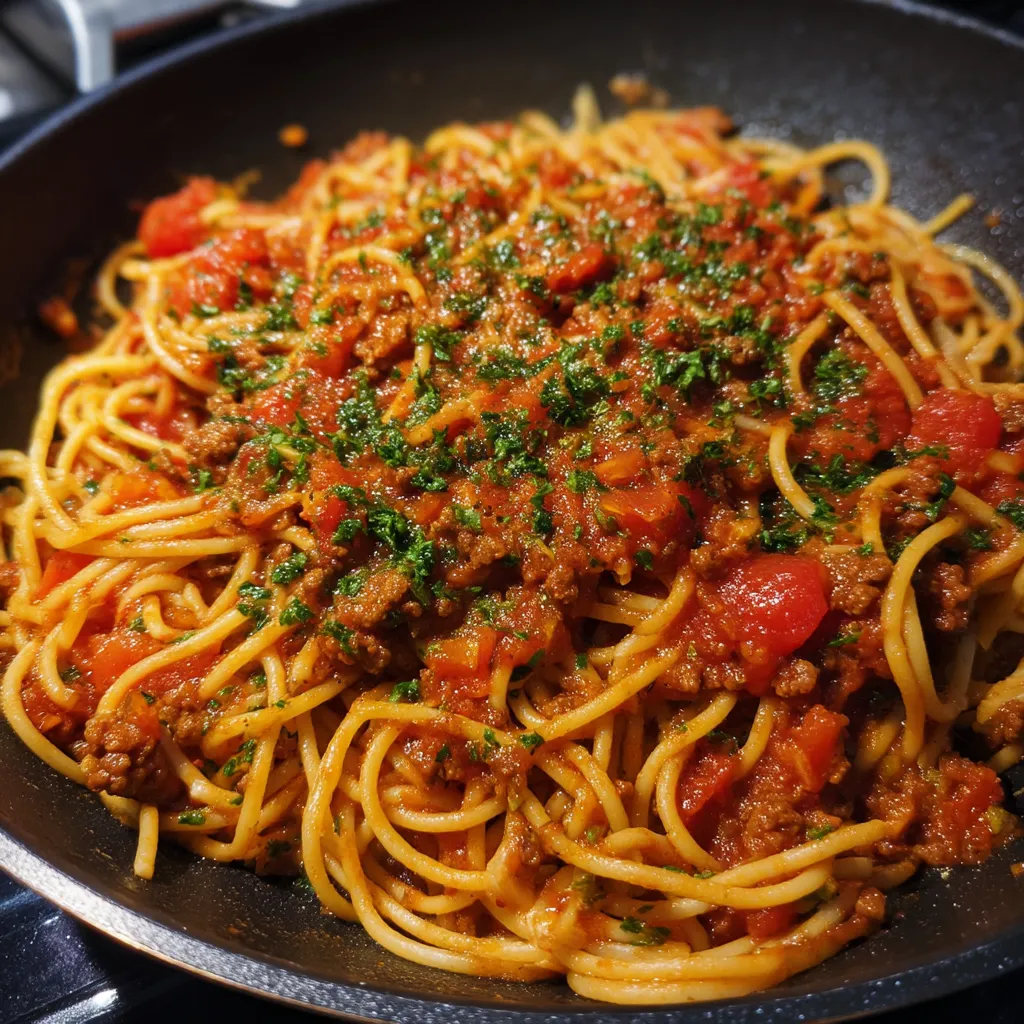
- Once cooking is complete, carefully remove and discard the bay leaf. Taste the sauce and adjust seasonings as needed; you might want a little more salt, pepper, or a pinch of sugar to balance the flavors. Serve your delicious Slow Cooker Spaghetti Sauce piping hot over your favorite pasta, polenta, or even as a base for lasagna. Garnish with fresh parsley and grated Parmesan cheese if desired.
📚 Read More: For more cooking inspiration, visit buzkitchen.com.
Storing Your Slow Cooker Spaghetti Sauce
One of the best advantages of making a large batch of Slow Cooker Spaghetti Sauce is its excellent storage capability. After cooking, allow the sauce to cool completely at room temperature, ideally within two hours. Once cooled, transfer the sauce to airtight containers. It will keep beautifully in the refrigerator for up to 3-4 days. This makes it perfect for meal prepping throughout the week. For longer storage, this Slow Cooker Spaghetti Sauce freezes exceptionally well. Divide it into freezer-safe containers or heavy-duty freezer bags, leaving a little headspace for expansion. It can be stored in the freezer for up to 3-4 months.
To reheat, thaw overnight in the refrigerator or gently warm from frozen on the stovetop over low heat, stirring occasionally. A common query is, “How long can spaghetti sauce stay in a slow cooker?” For food safety, it’s generally recommended not to leave cooked food in a slow cooker on the ‘warm’ setting for more than 2 hours. Always cool and refrigerate promptly after the cooking cycle is complete.
Slow Cooker Spaghetti Sauce Variations & Substitutions
This Slow Cooker Spaghetti Sauce recipe is incredibly versatile, allowing for many delicious variations to suit your taste and pantry. For a richer, more savory profile, swap out ground beef for Italian sausage (hot or mild) or a combination of both. You can also add other vegetables like finely diced carrots, bell peppers, or zucchini along with the onions to cook down into the sauce for extra nutrients and flavor. If you prefer a smoother sauce, you can use an immersion blender to lightly purée it at the end.
For an umami boost, a tablespoon of Worcestershire sauce or a splash of balsamic vinegar can be added during the initial cooking phase. To make it vegetarian, simply omit the meat and consider adding cooked lentils, sautéed mushrooms, or plant-based ground meat substitutes. Feel free to play with the herb ratios, adding more basil, marjoram, or even a hint of fennel seed for a different Italian twist.
Serving Suggestions for Slow Cooker Spaghetti Sauce
The beauty of this Slow Cooker Spaghetti Sauce is its versatility in serving. While it’s a classic match for any pasta – from long strands like spaghetti and fettuccine to short cuts like penne and rigatoni – its uses extend far beyond. Ladle it generously over fluffy polenta for a comforting, hearty meal. Use it as the robust foundation for a homemade lasagna or baked ziti, layering with creamy ricotta and mozzarella. It also makes an incredible filling for submarine sandwiches, especially with meatballs or Italian sausage.
For a low-carb option, serve it over zucchini noodles or spaghetti squash. Don’t forget a sprinkle of fresh Parmesan cheese, a dollop of ricotta, or a side of crusty garlic bread to complete your meal. It’s truly a sauce that elevates any dish it touches.
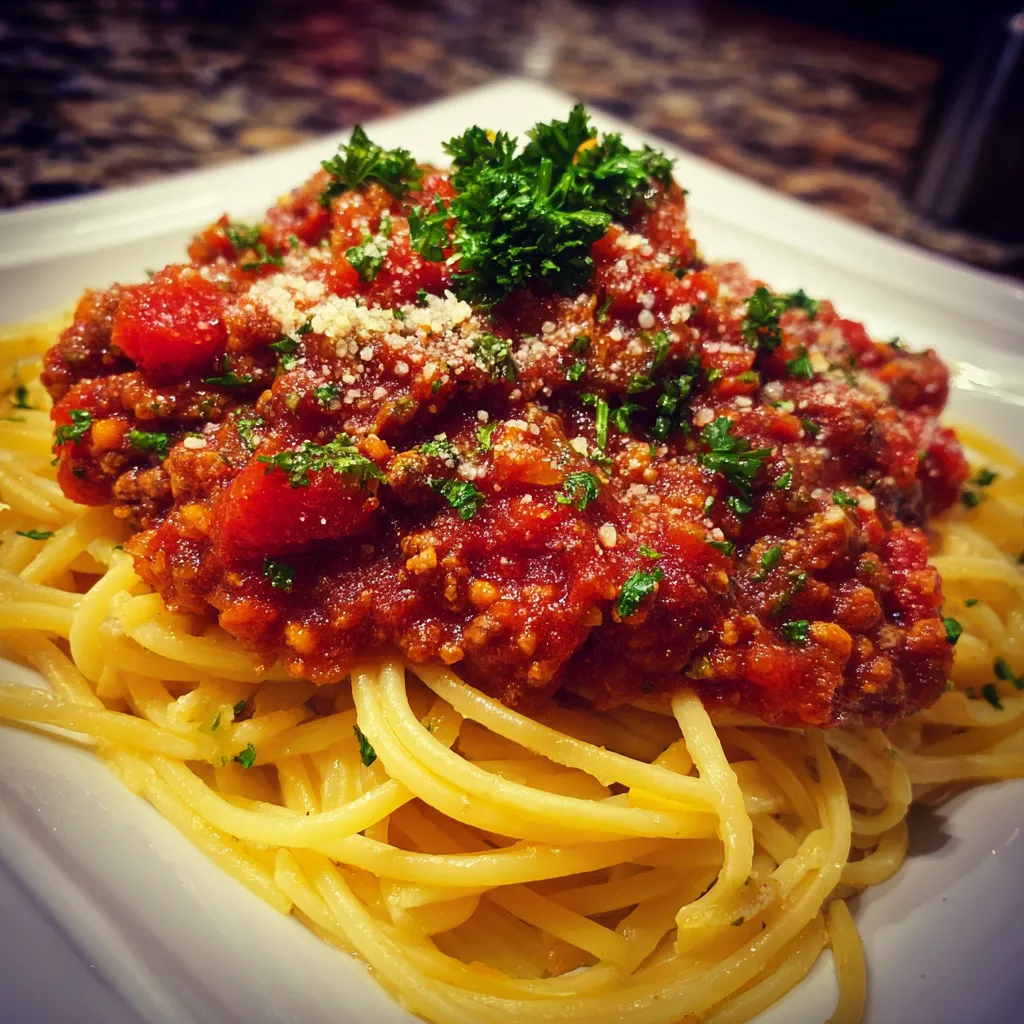
The History of Slow Cooker Spaghetti Sauce
While the concept of a long-simmered spaghetti sauce, or ‘gravy’ as some Italian-Americans affectionately call it, dates back centuries in Italy, the ‘Slow Cooker Spaghetti Sauce’ is a distinctly American adaptation. Traditional Italian ragùs and sugos were often cooked for hours on the stovetop, a practice perfectly replicated by the invention of the slow cooker in the 20th century.
The slow cooker, initially known as the ‘Crock-Pot’ and popularized in the 1970s, offered a convenient way for busy households to achieve that deep, developed flavor without constant supervision. This innovation allowed the rich culinary traditions of Italian immigrants to seamlessly integrate into modern American kitchens, transforming a labor-intensive, weekend endeavor into an accessible, everyday comfort food. The slow cooker made it possible for everyone to enjoy the comforting taste of a homemade, ‘all-day’ sauce, even on the busiest of schedules.
This Slow Cooker Spaghetti Sauce isn’t just a recipe; it’s a promise of comfort, convenience, and incredible flavor. It’s the perfect solution for those who crave homemade goodness but are short on time. So set it and forget it, and prepare to impress your family and friends with a sauce that tastes like it simmered for days. We hope this becomes your new go-to recipe for a truly unforgettable pasta night!
Pro Tips
- **Don’t Skip Browning:** Browning the meat and sautéing the aromatics truly makes a difference. It adds a crucial layer of flavor you won’t get by just dumping everything in.
- **Balance Acidity:** “Why is my slow cooker spaghetti sauce bland?” Often, a bland sauce just needs a bit of balancing. A pinch of sugar helps mellow tomato acidity, and don’t forget enough salt and pepper. A splash of red wine or a dash of balsamic vinegar can also add depth.
- **Quality Ingredients:** Start with good quality canned tomatoes, fresh aromatics, and good herbs. The better your initial ingredients, the better your final sauce.
- **Fresh Herbs at the End:** While dried herbs cook down well, stirring in a handful of fresh basil or parsley just before serving brightens the flavor considerably.
- **Adjust Consistency:** If your sauce is too thin, cook uncovered for the last hour. If it’s too thick, stir in a little more broth or water until desired consistency is reached.
💡 Try This Next: Looking for similar recipes? Visit yumytasty.com.
FAQs
Can I add fresh vegetables like bell peppers or mushrooms to slow cooker spaghetti sauce?
What kind of tomatoes are best for slow cooker spaghetti sauce?
Can slow cooker spaghetti sauce be frozen?
Why add sugar to slow cooker spaghetti sauce?
Can I make this slow cooker spaghetti sauce vegetarian?
Best Slow Cooker Spaghetti Sauce Recipe
Ingredients
Main Ingredients
- 1.5 lbs ground beef, browned and drained or Italian sausage
- 1 large yellow onion, chopped about 1.5 cups
- 6 cloves garlic, minced
- 2 cans crushed tomatoes 28 oz
- 1 can diced tomatoes, undrained 15 oz
- 1 can tomato paste 6 oz
- 1 cup beef broth or red wine
- 2 tbsp olive oil
- 2 tsp dried oregano
- 1 tsp dried basil
- 1/2 tsp red pepper flakes optional, for a kick
- 1 bay leaf
- 1 tbsp granulated sugar
- 1 tsp salt, or to taste
- 1/2 tsp black pepper, or to taste
- 1/4 cup fresh parsley, chopped for garnish
Instructions
- Brown the Meat: In a large skillet, heat 1 tablespoon of olive oil over medium-high heat. Add the ground beef and cook, breaking it up with a spoon, until fully browned. Drain off any excess fat and transfer the browned beef to your slow cooker.
- Sauté Aromatics: In the same skillet, add the remaining 1 tablespoon of olive oil. Add the chopped onion and cook until softened, about 5-7 minutes. Stir in the minced garlic and red pepper flakes (if using) and cook for another minute until fragrant. Transfer the onion and garlic mixture to the slow cooker.
- Combine Ingredients: Into the slow cooker with the beef and aromatics, add the crushed tomatoes, diced tomatoes (undrained), tomato paste, beef broth or red wine, dried oregano, dried basil, bay leaf, sugar, salt, and black pepper. Stir all ingredients thoroughly to combine.
- Slow Cook: Cover the slow cooker and cook on low for 6-8 hours, or on high for 3-4 hours. The longer cook time on low will yield a richer, more developed flavor.
- Finish and Serve: Once cooked, remove and discard the bay leaf. Taste the sauce and adjust seasonings if necessary, adding more salt, pepper, or a pinch more sugar. Serve hot over your favorite pasta, garnished with fresh chopped parsley and grated Parmesan cheese, if desired.
Notes
- **Don’t Skip Browning:** Browning the meat and sautéing the aromatics truly makes a difference. It adds a crucial layer of flavor you won’t get by just dumping everything in.
- **Balance Acidity:** “Why is my slow cooker spaghetti sauce bland?” Often, a bland sauce just needs a bit of balancing. A pinch of sugar helps mellow tomato acidity, and don’t forget enough salt and pepper. A splash of red wine or a dash of balsamic vinegar can also add depth.
- **Quality Ingredients:** Start with good quality canned tomatoes, fresh aromatics, and good herbs. The better your initial ingredients, the better your final sauce.
- **Fresh Herbs at the End:** While dried herbs cook down well, stirring in a handful of fresh basil or parsley just before serving brightens the flavor considerably.
- **Adjust Consistency:** If your sauce is too thin, cook uncovered for the last hour. If it’s too thick, stir in a little more broth or water until desired consistency is reached.